
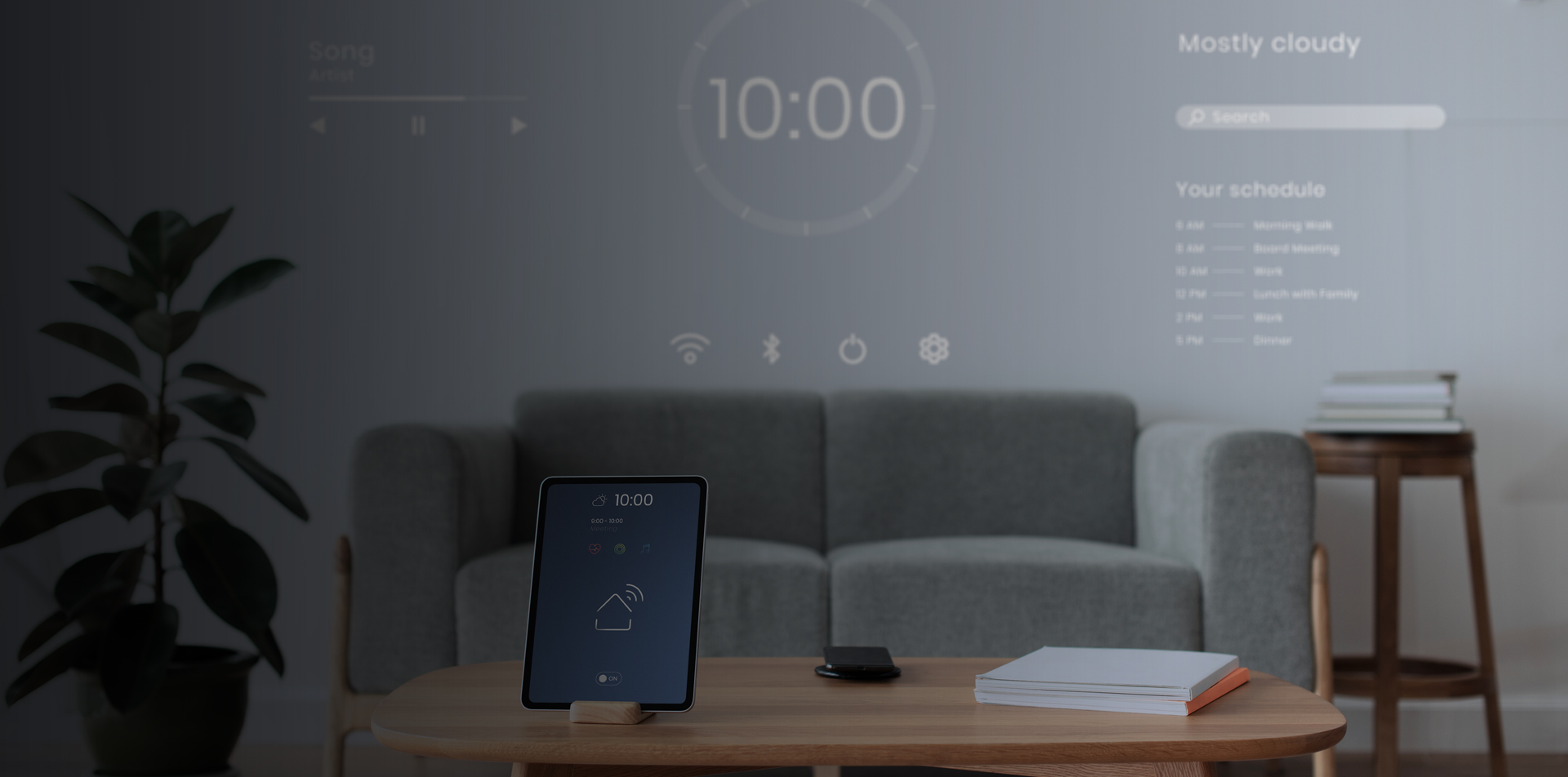
Imagine coming home after a long day and switching on the lights, adjusting the room temperature, and drawing the curtains with just one tap on your phone. Your favourite music starts playing, the lighting creates a relaxing atmosphere, and everything feels just the way you like it. This is what a smart home automation system can bring to everyday life.
With modern technology becoming an important part of residential design, homeowners across India are looking for smarter ways to manage their homes. From luxury villas and premium apartments to newly constructed houses, home automation is changing how people experience comfort, convenience, security, and entertainment.
At Soundnest, smart home automation is about more than installing connected devices. It is about creating a home where different systems work together smoothly, making everyday activities easier while keeping technology in harmony with your interiors.
In this guide, we will explore how smart home automation works, its key features, the benefits it offers, and how to choose the right smart home automation solutions in India.
What Is a Smart Home Automation System?
A smart home automation system connects different functions of a home, such as lighting, curtains, air conditioning, security, and entertainment, through an integrated control system.
Instead of operating every device separately, homeowners can manage compatible systems through a mobile application, wall-mounted touch panel, keypad, or other supported controls. Depending on the setup, certain actions can also happen automatically based on schedules, selected scenes, or connected sensors.
For example, a single command called “Good Night” could switch off selected lights, close the motorised curtains, and adjust other connected systems according to your preferences.
Similarly, a “Movie Mode” can coordinate the lighting and compatible home theatre equipment to create a more immersive viewing experience.
The main purpose of home automation is to make technology work around your lifestyle rather than requiring you to manage every device individually.
Key Features of Smart Home Automation Solutions
A well-designed smart home automation system can bring several essential home functions together. The exact features depend on your property, requirements, and selected technology
1. Smart Lighting Control
Lighting plays an important role in the appearance and atmosphere of a home. Smart lighting automation allows you to control compatible lights, adjust brightness where supported, and create different lighting scenes for everyday activities.
You can set up separate scenes for reading, entertaining guests, relaxing in the evening, or watching movies. Scheduled lighting can also help reduce unnecessary electricity use by switching lights off when they are not needed.
For homes with carefully planned interiors, automated lighting offers a practical way to balance functionality and ambience.
2. Motorised Curtains and Blinds
Motorised curtains make it easier to manage natural light and privacy throughout the day. Instead of manually opening and closing curtains in every room, you can operate compatible curtain motors through a control panel, mobile application, or scheduled automation.
For example, bedroom curtains can open at a preferred time in the morning, while living room curtains can close in the evening.
These systems are particularly useful in luxury villas, large apartments, and homes with high windows or extensive glass facades.
3. Smart Climate Control
Managing indoor comfort becomes easier when compatible air conditioning and climate systems are integrated into your home automation setup.
Depending on the equipment and configuration, you can control temperature settings, create schedules, and manage different areas of your home separately.
For example, you may want the bedroom to maintain a comfortable temperature at night while other areas follow a different schedule.
Smart climate control can also help avoid unnecessary operation when rooms are not in use, although actual energy savings depend on your equipment, settings, and daily habits.
4. Home Security and Access Control
Security is another important consideration when planning a smart home. Depending on the selected system, automation can integrate compatible CCTV cameras, access control, smart locks, and other security devices.
Remote monitoring and mobile notifications can help you stay informed when you are away from home, provided the required connectivity and services are available.
A properly planned system can bring multiple security functions into a more convenient control interface. However, connected security equipment should always be selected and configured with appropriate privacy and cybersecurity measures.
5. Home Theatre and Multi-Room Audio
A smart home is not only about convenience; it can also improve your entertainment experience.
With integrated home theatre and audio-video solutions, you can enjoy movies, music, and other entertainment throughout your home. Multi-room audio allows compatible systems to play music in selected rooms, while a dedicated home cinema can deliver a more immersive viewing and listening experience.
Soundnest offers home cinema, audio-video integration, and smart control solutions designed around the requirements of individual spaces.
The result is an entertainment setup that is easier to operate and better suited to your home's layout.
6. Centralised Control Through One Interface
One of the biggest advantages of professional home automation is the ability to bring compatible systems together.
Rather than switching between multiple applications and remotes, you can manage supported functions through a common control interface.
Depending on the system, this may include lighting, curtains, climate control, and entertainment. You can also create personalised scenes that operate several connected devices through a single command.
This makes the home easier to manage, particularly when multiple rooms and systems are involved.
Benefits of Installing a Smart Home Automation System in India
Home automation offers practical advantages when the system is designed around how you actually use your home.
Greater Everyday Convenience
Simple activities, such as adjusting lights, closing curtains, or switching off selected appliances, can become easier with centralised control. You can also create routines for recurring activities instead of operating each device separately.
Better Control Over Energy Usage
Scheduling and automation can help prevent lights and compatible equipment from running unnecessarily. Climate control and occupancy-based functions can also support more efficient use of electricity when configured correctly.
However, the amount you save depends on your home's existing equipment, energy consumption, and how the system is used.
Personalised Living Experiences
Every household has different routines. Some people prefer bright lighting during the day, while others want softer lighting in the evening. Some enjoy music throughout their homes, while others prioritise climate control and privacy.
A customised automation system allows these preferences to be reflected in the way different rooms operate.
A Cleaner and More Integrated Interior
Modern automation can be planned alongside electrical layouts, furniture placement, lighting design, and interior finishes.
For existing homes, suitable wireless or retrofit solutions may reduce the need for extensive civil work. For new construction, automation planning at the design stage can help coordinate wiring, equipment locations, and control points.
The right approach depends on the property and the selected system.
Convenient Remote Management
Supported systems allow you to control selected home functions remotely through a mobile application. This can be useful when you are travelling or want to check the status of connected devices while away.
Remote functionality depends on the system configuration, internet access, and the services supported by the equipment.
Wired vs Wireless Home Automation: Which Is Better?
Choosing between wired and wireless automation depends on whether your home is under construction, already completed, or being renovated.
Wired home automation
Wired solutions, including KNX-based systems, are often considered for new homes, luxury villas, and projects where multiple functions need to work together reliably. Planning the infrastructure early helps accommodate control points, system integration, and future expansion.
Wireless and retrofit home automation
Wireless solutions can be suitable for existing homes where extensive rewiring is difficult or undesirable. Depending on the products selected, they can allow compatible devices to be added with less disruption to the existing interiors.
Hybrid home automation
Some projects benefit from a combination of wired infrastructure and wireless devices. This approach can provide flexibility while allowing key systems to use a planned, integrated control architecture.
There is no single solution that suits every property. The best option depends on your budget, requirements, construction stage, and expectations for future upgrades.
Why Choose Soundnest for Smart Home Automation Solutions in India?
Choosing a home automation company involves more than comparing products. The planning, installation, programming, and integration of different systems all influence how well the finished setup works.
Soundnest provides customised automation and audio-video solutions for residential and commercial spaces across India.
Here is what homeowners can explore with Soundnest:
- KNX-based home automation: Integrated control solutions for compatible lighting, climate, and other home functions.
- Wireless and retrofit automation: Options for upgrading existing homes with less disruption, depending on the installation requirements.
- Motorised curtains: Convenient control of curtains and blinds through compatible automation systems.
- Home theatre and audio-video solutions: Custom-designed entertainment systems for private cinemas and everyday listening.
- Integrated system design: Planning, product selection, system integration, programming, and implementation based on the project.
- Personalised consultation: Guidance to help determine which automation features are appropriate for your home.
Soundnest highlights its KNX and CEDIA credentials, more than 10 years of industry experience, and experience with over 500 luxury homes on its website.
The focus is on designing a solution that fits the property, works with the selected equipment, and complements the homeowner's lifestyle.
How to Choose the Right Home Automation System for Your Property
Before investing in home automation, it helps to identify what you want the system to achieve.
Start with your daily routine. Decide which activities you would like to simplify. This could include lighting control, managing curtains, adjusting the air conditioning, or controlling your entertainment system.
Consider your property's construction stage. If you are building a new home, discuss automation during the architectural and electrical planning stages. If your home is already completed, ask about suitable retrofit options.
Think about integration. Check whether the proposed system can work with your existing or planned lighting, climate equipment, curtains, and audio-video devices.
Plan for future requirements. You may not need to automate every room immediately. A scalable system can allow additional compatible functions to be introduced later, depending on the chosen architecture.
Look beyond the initial installation. Ask about programming, user training, maintenance, warranties, and after-sales support. A system should be straightforward to use once the installation team has completed the project.
A professional consultation can help you prioritise features and choose an appropriate setup without paying for functions you may not use.
What Is the Cost of a Smart Home Automation System in India?
The cost of a smart home automation system in India varies considerably from one project to another. There is no single price that applies to every home.
The overall investment depends on factors such as:
- The size of the property and number of rooms.
- The number of functions you want to automate.
- Whether you choose wired, wireless, or hybrid technology.
- The selected brands, control panels, and compatible devices.
- The complexity of installation, programming, and integration.
- The need for additional electrical work, equipment racks, or infrastructure.
For example, automating selected lights and curtains in an apartment involves different requirements from integrating lighting, climate control, multiple rooms, and a private home theatre in a luxury villa.
The most practical approach is to decide your priorities first and request a customised estimate based on your floor plan and requirements.
Soundnest offers consultation and project planning to help homeowners understand the suitable options for their property.
The Future of Smart Home Automation in India
As residential design continues to evolve, homeowners are increasingly looking for technology that feels natural to use and fits seamlessly into their living spaces.
The future of home automation is not simply about adding more connected devices. It is about making different systems communicate effectively, creating useful routines, improving control, and reducing the effort required to manage a home.
Integrated lighting, climate control, motorised curtains, security, and entertainment can make everyday living more convenient when they are planned as part of a complete system.
For homeowners investing in a new property or upgrading an existing one, thoughtful automation planning can help create a home that is comfortable today and adaptable to changing needs.
Frequently Asked Questions About Smart Home Automation
1. What is the best smart home automation system in India?
The best system depends on your property, budget, desired features, and plans for future expansion. KNX-based solutions may suit larger integrated projects, while wireless and retrofit systems can be suitable for existing homes. A professional assessment can help identify the right option.
2. Can I install home automation in an existing house?
Yes. Depending on the required functions and existing electrical infrastructure, wireless and retrofit automation solutions may be installed in an existing home without extensive wall modifications. The installation requirements should be assessed before selecting a system.
3. What can I control with a smart home automation system?
Depending on the selected equipment, you can control lighting, motorised curtains, climate systems, and home entertainment. Compatible security and access control devices can also be integrated into some systems.
4. Can I control my smart home when I am away?
Many automation systems support remote control through a mobile application. Availability depends on the equipment, internet connectivity, and the system's remote-access configuration.
5. Does home automation help reduce electricity bills?
It can help reduce unnecessary electricity consumption through schedules, lighting controls, and suitable climate automation. Actual savings vary according to usage patterns, equipment efficiency, and system configuration.
6. Is KNX home automation suitable for luxury villas?
KNX can be a suitable choice for luxury villas and other projects that require integrated control across multiple functions. Its suitability depends on the project design, required features, and installation budget.
7. How do I get started with Soundnest?
You can contact Soundnest to discuss your property, preferred automation features, and project requirements. Its team can help you explore suitable solutions and arrange a consultation or demonstration.
Create a Smarter Home with Soundnest
A well-designed smart home should make everyday life simpler without making technology complicated. Whether you are planning a new villa, upgrading an apartment, or creating an integrated home entertainment experience, the right automation solution starts with understanding your needs.
Soundnest helps homeowners explore customised smart home automation, KNX-based systems, retrofit solutions, motorised curtains, and home theatre integration.
Ready to explore smart home automation solutions in India?
Visit Soundnest to learn more about its services and schedule a consultation for your home.